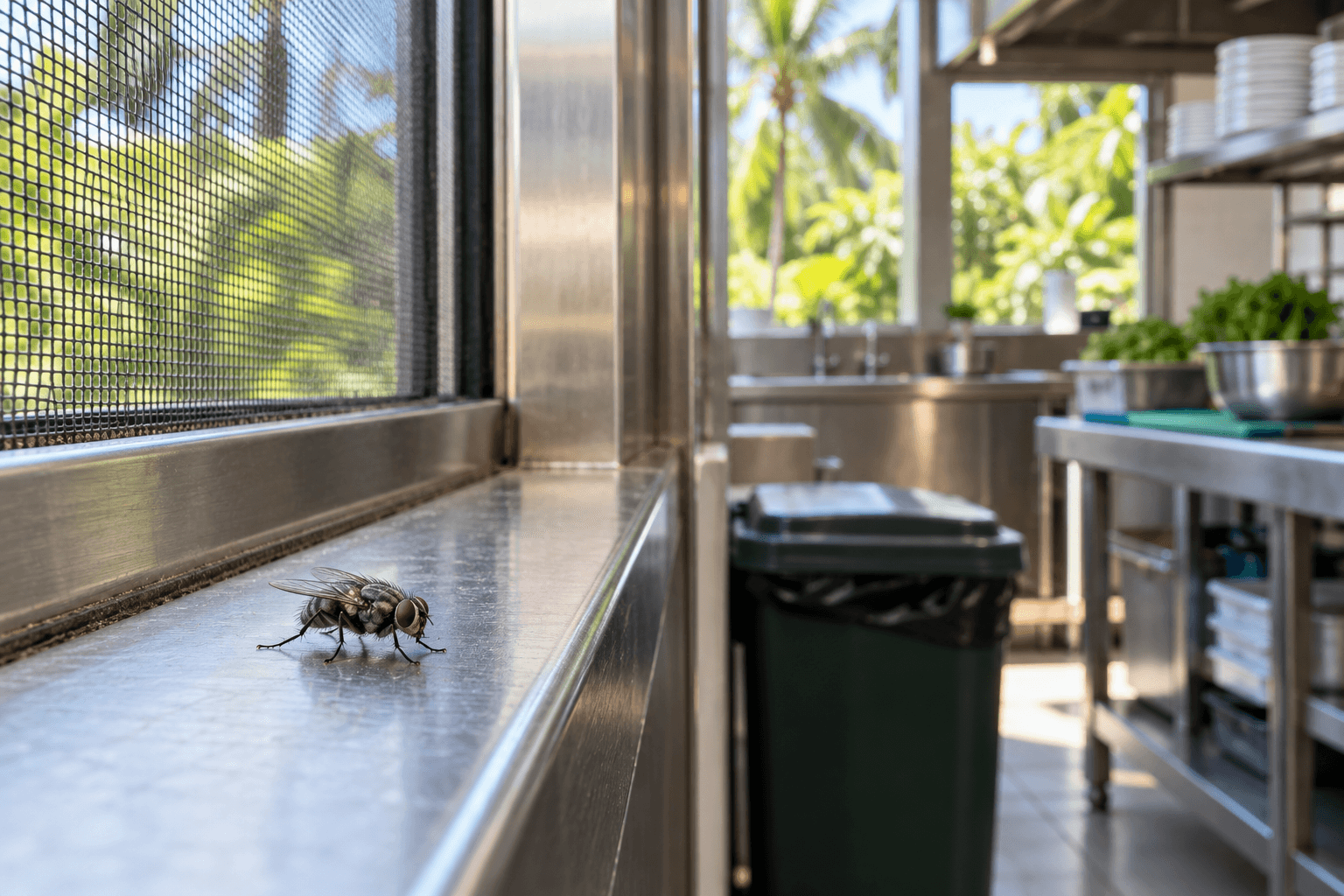
Bait-led colony reduction
Baits are positioned along active routes where worker ants can transfer material deeper into the colony.
Persistent ant trails in kitchens, pantries, and wall voids are a hygiene concern and a sign of nearby nesting. Targeted treatment disrupts the colony rather than just clearing the visible trail.
Overview
Ant problems may look minor at first, but persistent trails can quickly contaminate pantry areas, customer spaces, medicine storage, and food preparation counters. Sugar ants and larger outdoor species often move indoors during rain, following moisture and food sources into kitchens and bathroom lines. Commercial properties can see fast reinfestation if nesting points outside the building envelope are ignored.
Our ant control service identifies the species pattern, nesting pressure, and the reason trails keep reforming. Rather than relying only on surface spray, we combine bait strategy, exclusion advice, and hygiene adjustments to reduce the underlying pressure. This is especially useful in apartment blocks, cafes, food shops, schools, and offices where repeated ant activity can frustrate staff and customers.
Treatment Process
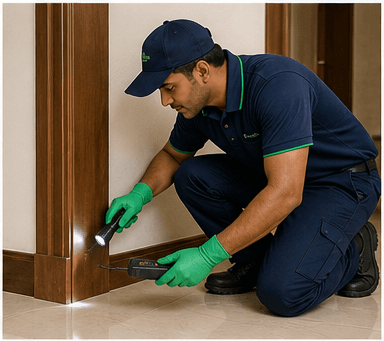
We trace active trails to likely entry points, harbourages, and moisture sources inside and outside the property.
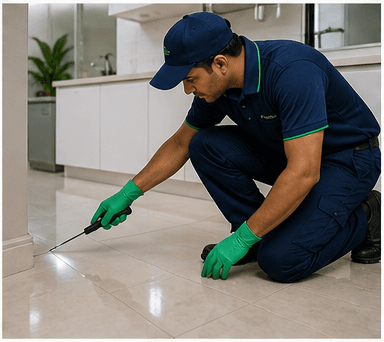
Species-appropriate baiting and targeted crack treatment help reduce colony pressure instead of only scattering foragers.
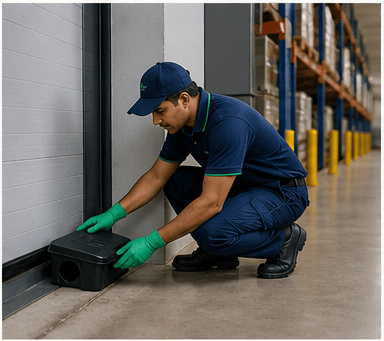
We check whether activity shifts to new points and refine the placement strategy if needed.

Food storage, drainage, sealing, and landscaping guidance helps prevent trails from re-establishing.
Methods Used
The method is matched to the pest pressure, the property type, and how the space is used.
Baits are positioned along active routes where worker ants can transfer material deeper into the colony.
Targeted application around entry points supports faster control in kitchens, pantries, and service rooms.
Garden borders, pavers, planter beds, and wall lines are reviewed so outdoor sources are not ignored.
Safety & Eco Measures
Works well in homes, apartments, cafes, offices, and schools where recurring indoor trails create hygiene concerns.
Surface spray can scatter ants and delay colony control if used repeatedly before a proper treatment visit.
FAQs
Rain can push ant activity indoors by flooding nests, shifting foraging paths, or increasing moisture inside kitchens and service areas.
Related Services
Cockroaches breed in cracks, drains, hinges, and appliance voids and contaminate food-contact surfaces. Gel baiting and crack-and-crevice treatment eliminate the population at the source.
When multiple pest types appear across a property, a recurring maintenance program is more effective than repeated reactive callouts. The first visit shapes the schedule and coverage areas.
Fly activity in food preparation areas and around waste zones is both a nuisance and a compliance risk. Treatment targets breeding sources and entry points to keep numbers under control.
Speak to the team by phone, book the right next step, or share the issue through the contact form. We will review the details and guide you toward the right service plan.