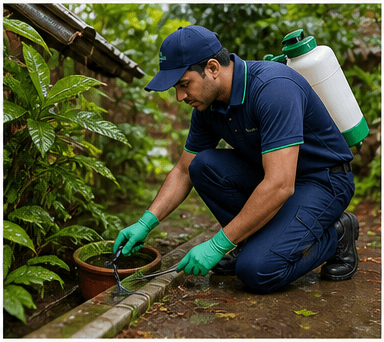
Source reduction
The most important step is removing or managing small water reservoirs that produce larvae around the property.
Persistent mosquito activity around homes, hotels, and outdoor areas creates biting discomfort and a genuine health concern. A scheduled misting program keeps pressure low through active periods.
Overview
Mosquito control is closely linked to public health, especially during rainy periods when small water-holding containers, roof gutters, blocked drains, construction sites, and garden features become breeding zones. Homes, apartments, schools, offices, hotels, and worker housing all need practical source reduction, not just reactive spraying.
We focus on breeding-site reduction, targeted treatment where appropriate, and property-specific prevention advice. Outdoor containers, drainage lines, gutters, plant trays, boundary edges, and shaded harbourage areas are reviewed so the program reduces exposure while keeping treatments proportionate and responsible.
Treatment Process
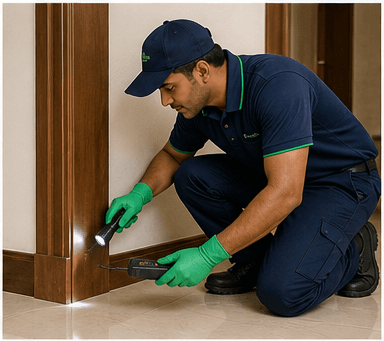
We review breeding points, shade zones, water containers, roof drainage, and resting sites around the property.
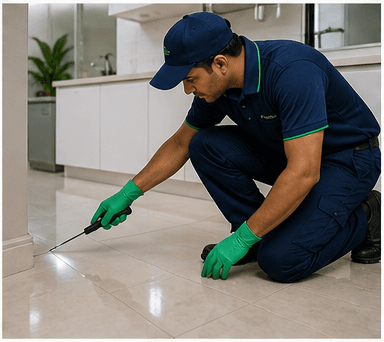
Depending on site conditions, control may include source reduction guidance, targeted larval management, or adult mosquito reduction measures.
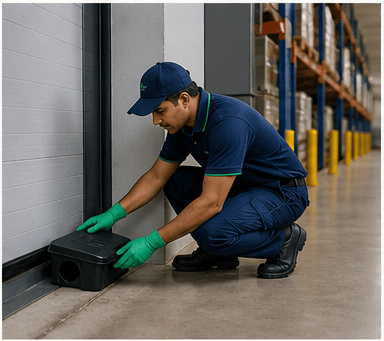
We review whether breeding points recur after rain and how outdoor practices affect mosquito pressure over time.

Households and businesses receive practical routines for water management, garden upkeep, and community-safe prevention.
Methods Used
The method is matched to the pest pressure, the property type, and how the space is used.
The most important step is removing or managing small water reservoirs that produce larvae around the property.
Where appropriate, breeding-prone locations can be treated using methods suitable for the site and risk profile.
Gardens, shrub lines, and seating areas may be treated or managed to reduce adult resting pressure.
Safety & Eco Measures
We frame mosquito control around breeding-site discipline and community responsibility, not just short-term knockdown.
Useful for residential compounds, schools, offices, hotels, and sites managing outdoor staff or guest exposure.
FAQs
Yes. We focus on source reduction, water management, breeding-point review, and community-safe prevention so the property contributes to broader dengue risk reduction.
Related Services
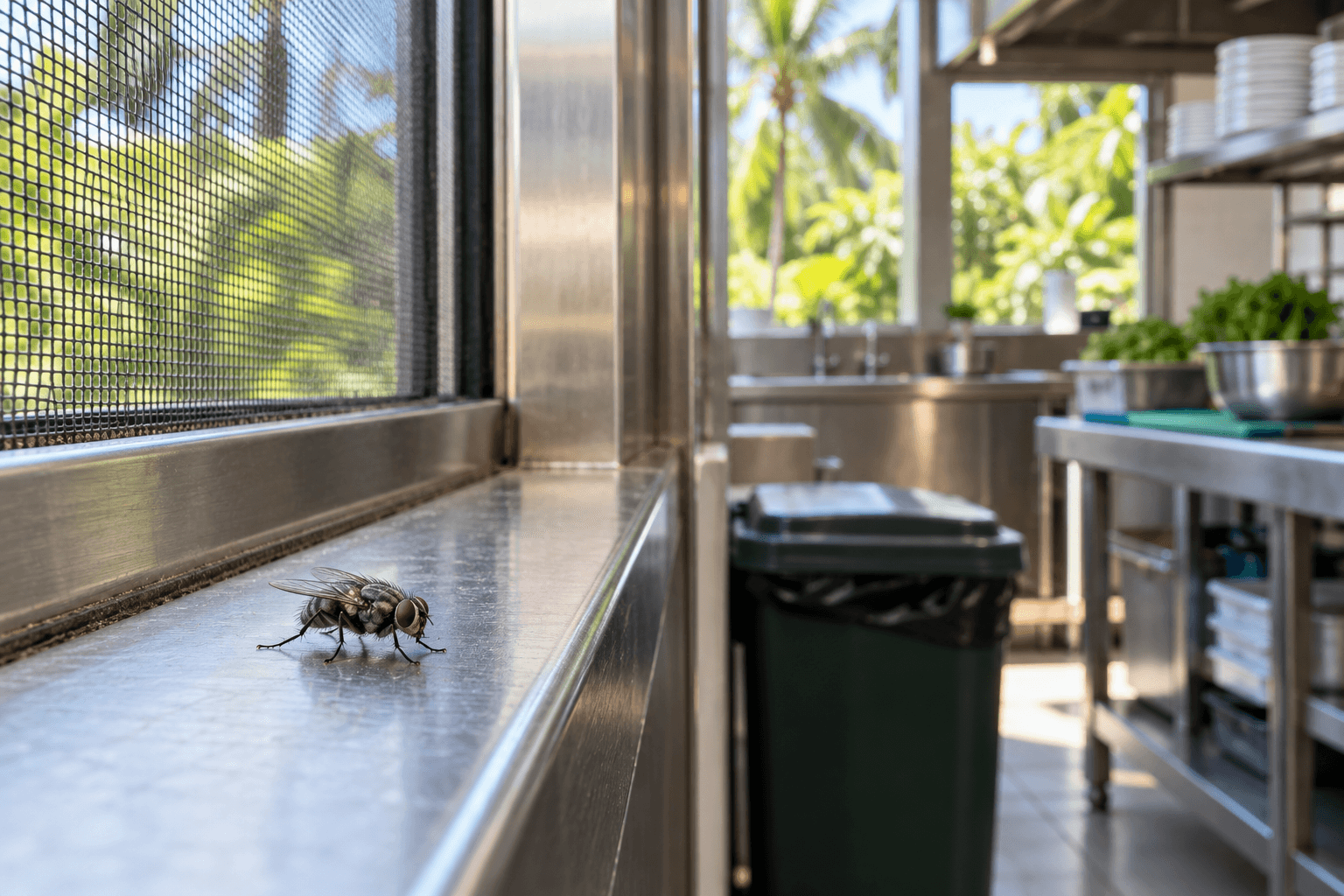
Fly activity in food preparation areas and around waste zones is both a nuisance and a compliance risk. Treatment targets breeding sources and entry points to keep numbers under control.
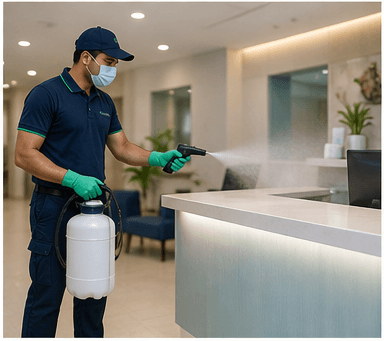
Disinfection supports hygiene protocols in shared environments such as schools, clinics, offices, hotels, and food facilities. Scheduled service uses appropriate methods and products planned around occupancy.
When multiple pest types appear across a property, a recurring maintenance program is more effective than repeated reactive callouts. The first visit shapes the schedule and coverage areas.
Related Products
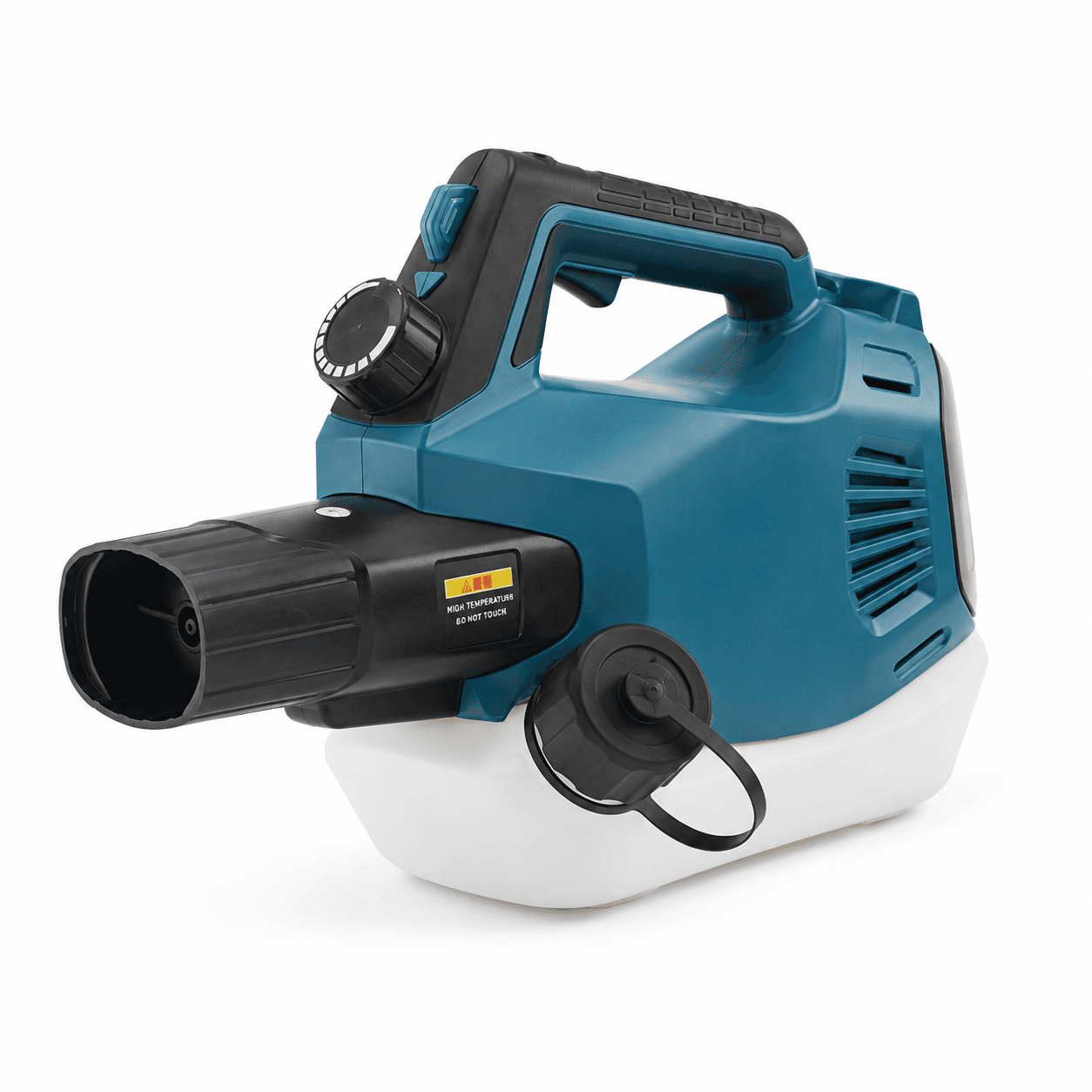
A cordless lithium-ion ULV sprayer for fine-mist application of compatible water-based solutions.
LKR 155,000.00 LKR 137,000.00

Product price only. Delivery, taxes and payment fees are confirmed at checkout.
Estimate only. Eligibility and the final payment schedule are confirmed by MintPay.
How MintPay worksIn stock
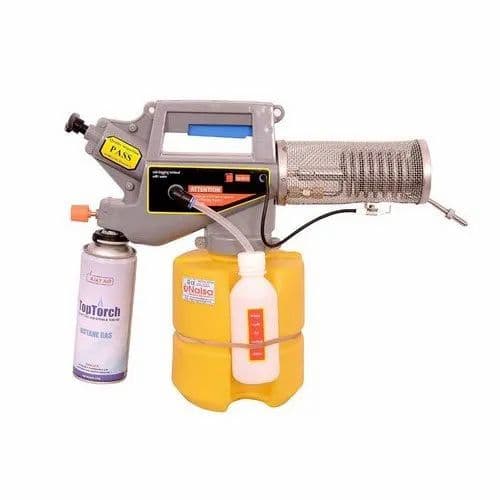
A butane-powered handheld thermal fogger with an approximately 2.5-litre chemical tank.
LKR 54,000.00 LKR 47,500.00
Product price only. Delivery, taxes and payment fees are confirmed at checkout.
Estimate only. Eligibility and the final payment schedule are confirmed by MintPay.
How MintPay worksIn stock
Speak to the team by phone, book the right next step, or share the issue through the contact form. We will review the details and guide you toward the right service plan.