Web and egg sac removal
Physical reduction is an important first step for visible improvement in homes and business façades.
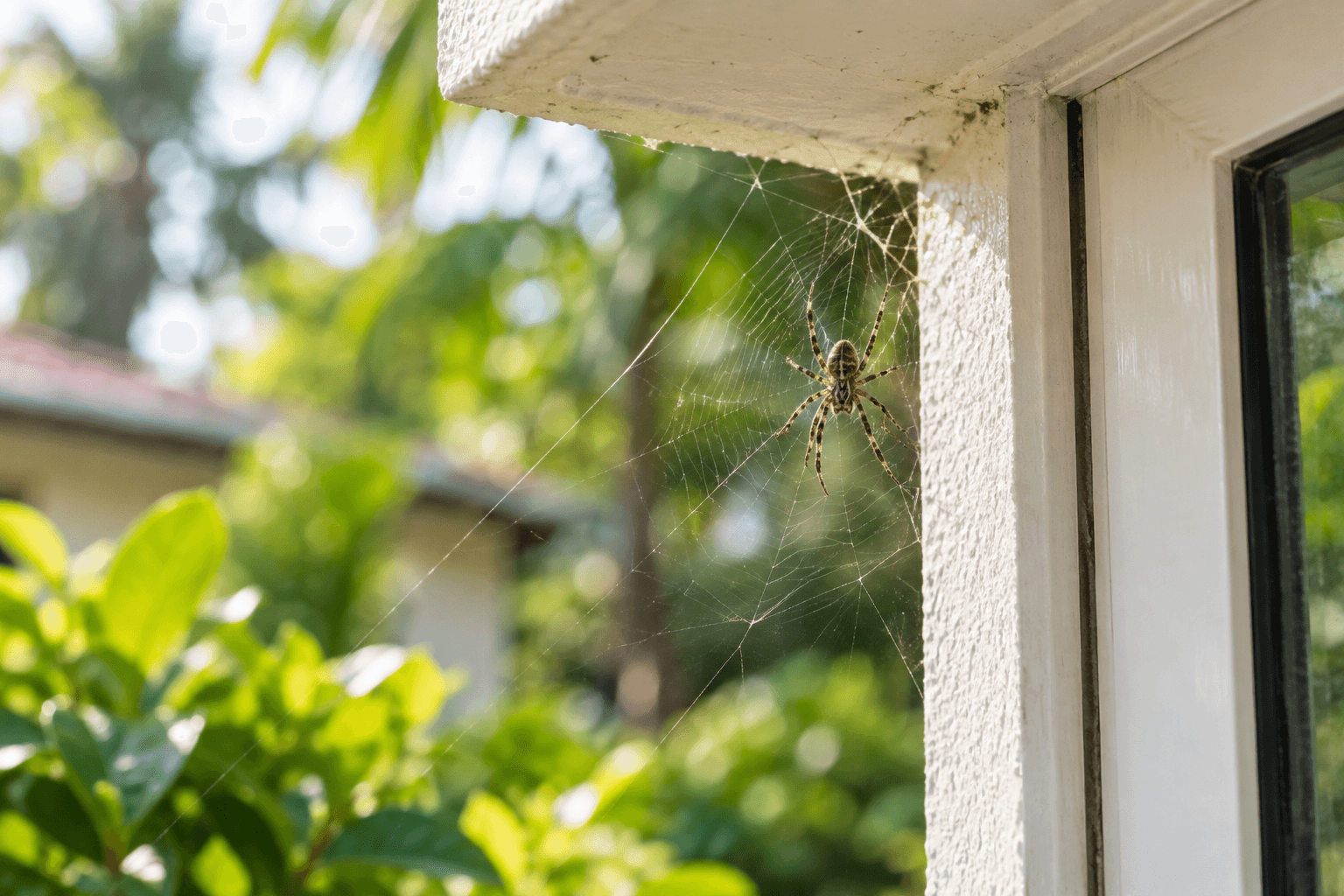
Spiders in occupied spaces create nuisance and concern for residents, guests, and staff. Treatment covers active areas with web clearance and practical advice to reduce re-establishment.
Overview
Most spider issues are nuisance-related rather than severe medical threats, but heavy webbing can make a property feel neglected, affect guest impressions, and signal that other insect populations are feeding the problem. Exterior lights, vegetation against walls, quiet storerooms, signage, and roof edges often become repeat web points. In warehouses and hospitality properties, spider activity around façades and service entries can undermine cleanliness standards.
Our spider control service uses a low-toxicity approach with web removal, treatment to likely harbourage points, and guidance on lighting, insects, and clutter that sustain spider presence. Because spider pressure often depends on the insects they feed on, combining this service with broader pest management can deliver better long-term results.
Treatment Process
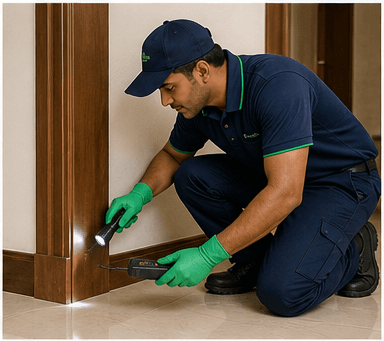
We identify repeat web zones, lighting-driven activity, prey attraction, and cluttered harbourage points.
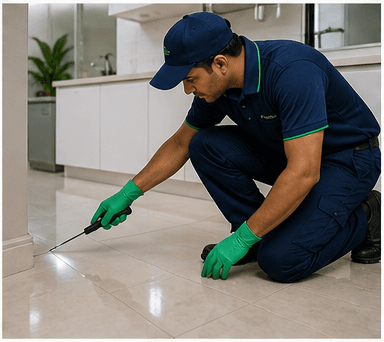
Web removal and targeted low-toxicity treatment help reduce present activity and egg deposition points.
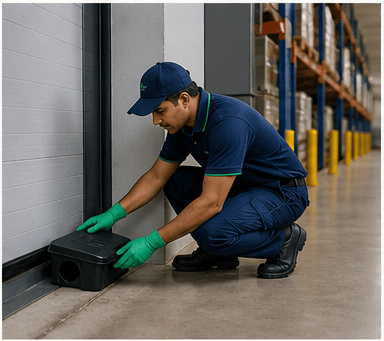
We review whether webs are reforming and if other insects are driving spider return.

Lighting strategy, exterior cleaning, vegetation trimming, and related insect control help keep webs down.
Methods Used
The method is matched to the pest pressure, the property type, and how the space is used.
Physical reduction is an important first step for visible improvement in homes and business façades.
Low-toxicity treatment can be applied to non-contact corners, voids, and exterior junctions where spiders rest.
Linked insect pressure from flies, moths, or other pests is reviewed to support longer-term control.
Safety & Eco Measures
Useful for homes, offices, schools, and hospitality sites that want cleaner spaces without heavy-handed treatment.
Spider pressure is easier to manage when flies and other prey pests are under control.
FAQs
Yes. Web removal is usually part of the service because visible improvement matters for homes, hotels, and customer-facing properties.
Related Services
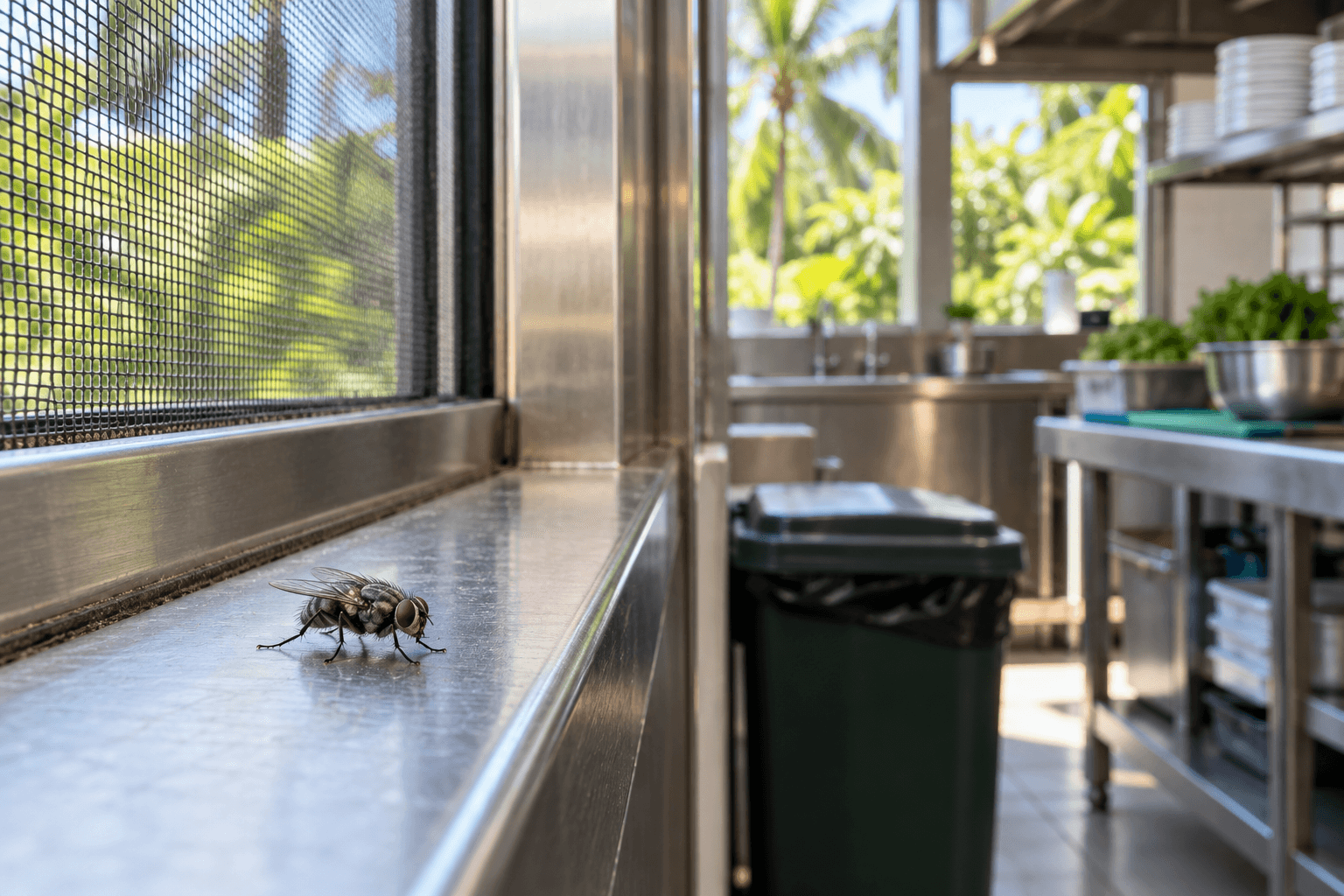
Fly activity in food preparation areas and around waste zones is both a nuisance and a compliance risk. Treatment targets breeding sources and entry points to keep numbers under control.
When multiple pest types appear across a property, a recurring maintenance program is more effective than repeated reactive callouts. The first visit shapes the schedule and coverage areas.
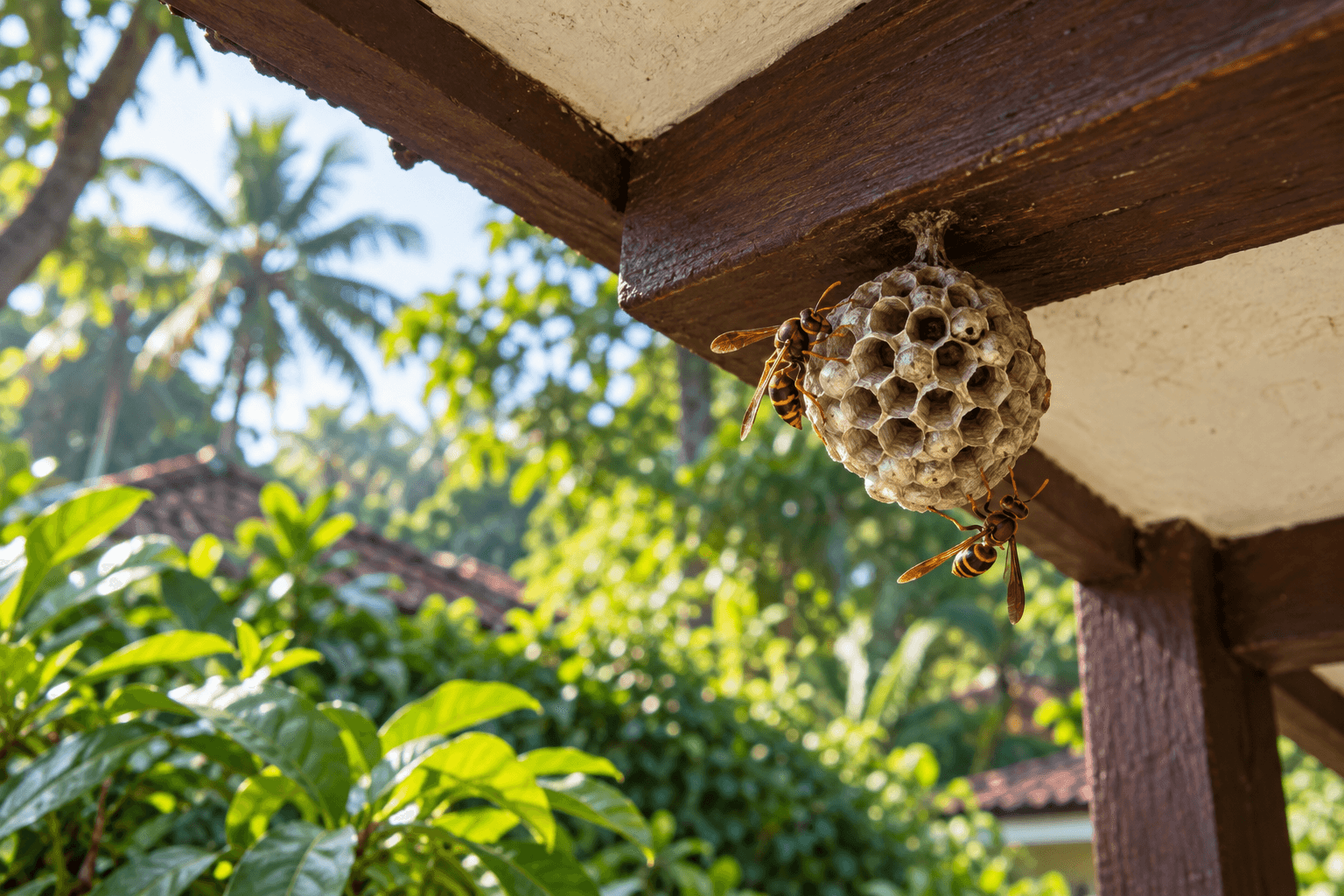
Active nests near entry points, seating areas, and rooftops create a safety risk for occupants. Trained removal handles nests promptly and safely without causing unnecessary disruption.
Speak to the team by phone, book the right next step, or share the issue through the contact form. We will review the details and guide you toward the right service plan.