Tamper-resistant baiting
Stations are secured in appropriate locations to reduce accidental contact while maintaining control coverage.
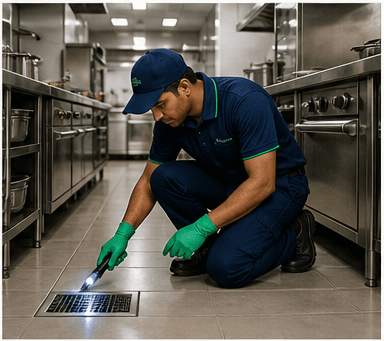
Rats and mice damage wiring, contaminate surfaces, and create real hygiene risk in kitchens, ceilings, and storage areas. Identifying how they are entering is as important as removing the ones already inside.
Overview
Rodent activity affects far more than comfort. In homes it can contaminate food storage, damage wiring, disturb sleep, and spread odours through roofs and ceilings. In restaurants, supermarkets, warehouses, clinics, and manufacturing sites, even a single rodent sighting can trigger audit failures, stock loss, and reputational damage. Monsoon flooding can also displace rats from drains and low-lying service corridors into kitchens, plant rooms, and storage zones.
We treat rodent control as a combination of monitoring, proofing, sanitation, and strategic bait management. Roof voids, false ceilings, refuse areas, loading bays, drain lines, cable entries, and landscaping edges are reviewed to understand how rats or mice are moving through the site. The treatment plan is then adapted to the property type, with extra emphasis on child-safe or food-safe placement, reporting, and revisit schedules for commercial accounts.
Treatment Process
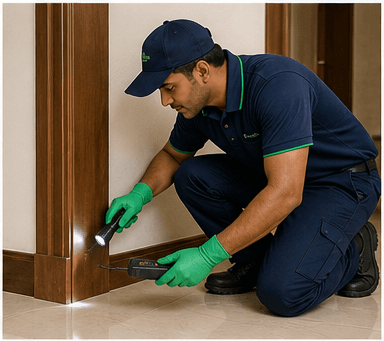
We map harbourage, food access, water sources, and entry points around drains, roller shutters, roof gaps, and service penetrations.
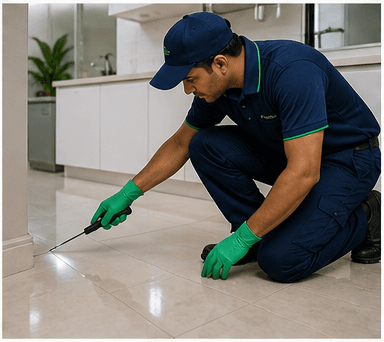
Control measures may include secure baiting, trapping, proofing recommendations, and site-specific housekeeping changes.
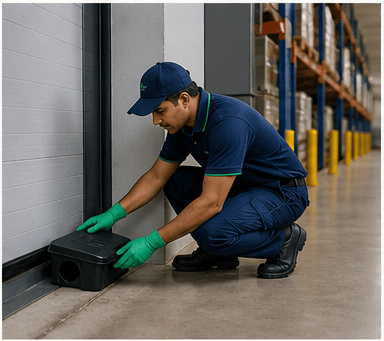
Commercial programs include trend observation, bait consumption review, and response notes for audit support.

Proofing and sanitation changes are prioritised so the site stops supporting new rodent activity.
Methods Used
The mix of proofing, trapping, baiting, and monitoring depends on where rodents are moving and how the site is used.
Stations are secured in appropriate locations to reduce accidental contact while maintaining control coverage.
In sensitive spaces or when monitoring is required, trapping can help verify activity with minimal product use.
We identify gaps under doors, pipe penetrations, drain issues, and stock-handling weaknesses that support repeat infestation.
Safety & Eco Measures
Suitable for food businesses, warehouses, clinics, and facilities that need logs, maps, and trend reporting.
Rodent control fails fast if entry points, waste discipline, and storage gaps are not addressed alongside treatment.
Results View
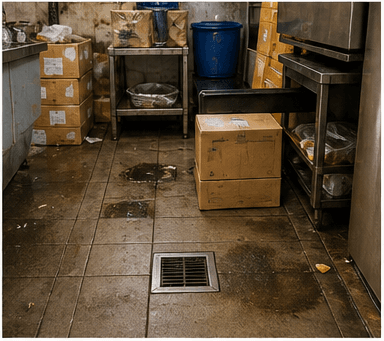
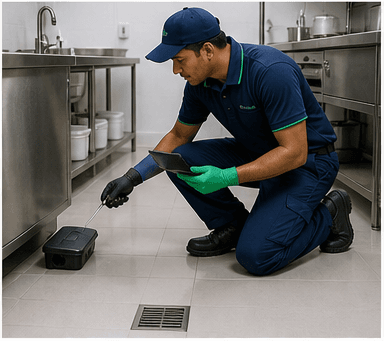
The strongest results come from combining secure baiting with housekeeping correction and physical exclusion.
FAQs
No. Rodent control may include tamper-resistant baiting, mechanical trapping, proofing, sanitation correction, and monitoring. The method depends on the site and safety requirements.
Related Services
Cockroaches breed in cracks, drains, hinges, and appliance voids and contaminate food-contact surfaces. Gel baiting and crack-and-crevice treatment eliminate the population at the source.
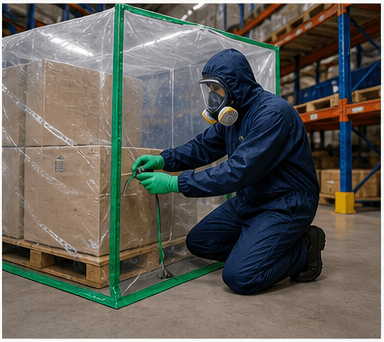
Fumigation is used for severe or wide-spread infestations in enclosed spaces and stored product situations where standard treatments have not been sufficient. Site planning and safety coordination are completed before any treatment takes place.
When multiple pest types appear across a property, a recurring maintenance program is more effective than repeated reactive callouts. The first visit shapes the schedule and coverage areas.
Related Products
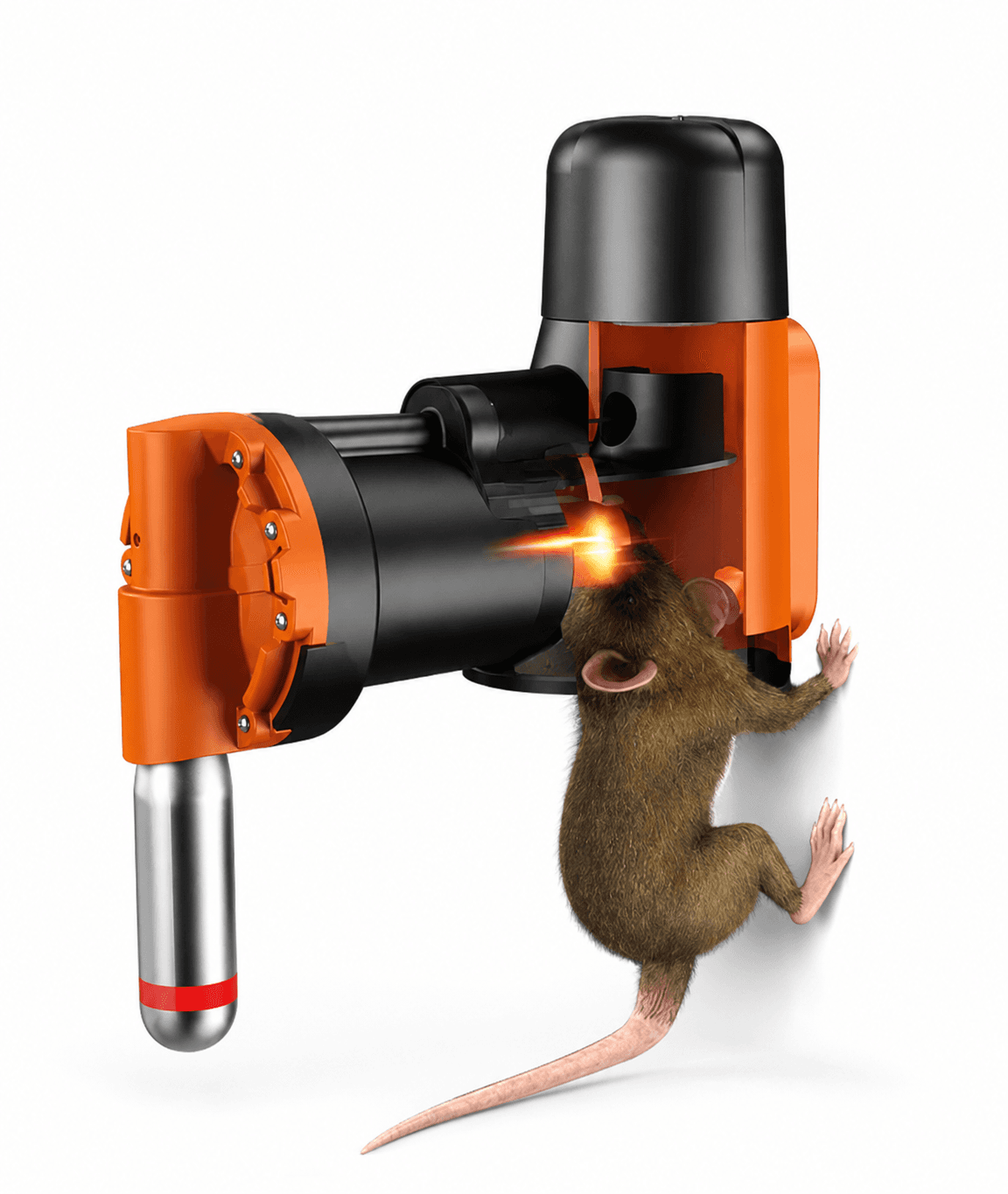
A reusable CO₂-powered rat trap with an automatic reset mechanism and fixed mounting.
LKR 19,700.00

Product price only. Delivery, taxes and payment fees are confirmed at checkout.
Estimate only. Eligibility and the final payment schedule are confirmed by MintPay.
How MintPay worksIn stock
Speak to the team by phone, book the right next step, or share the issue through the contact form. We will review the details and guide you toward the right service plan.