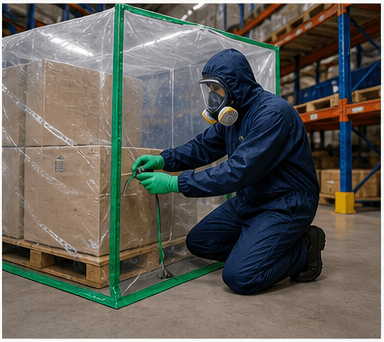
Controlled enclosure planning
We verify whether the stock or structure can be safely contained and treated as required.
Fumigation is used for severe or wide-spread infestations in enclosed spaces and stored product situations where standard treatments have not been sufficient. Site planning and safety coordination are completed before any treatment takes place.
Overview
Fumigation is a specialised service used for selected severe infestations, stored product issues, and enclosed treatment scenarios where standard residual methods are not enough. It can be relevant for warehouses, export-related goods handling, grain and food storage, cargo-linked operations, and other controlled spaces that require a deeper intervention under strict safety conditions.
We support fumigation through site planning, risk review, preparation guidance, exclusion planning, and documentation. The process confirms whether fumigation is the right option, what containment conditions are required, how long the area must remain controlled, and what reopening process is needed. For many facilities, this service is paired with follow-up monitoring and proofing so the same infestation drivers do not rebuild after treatment.
Treatment Process
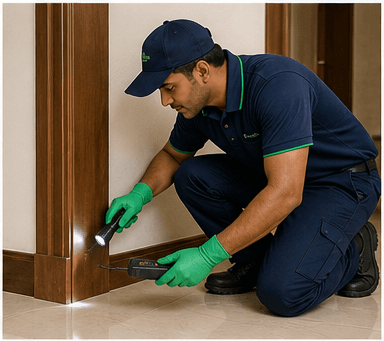
We assess pest type, stock profile, enclosure suitability, access restrictions, and whether fumigation is operationally appropriate.
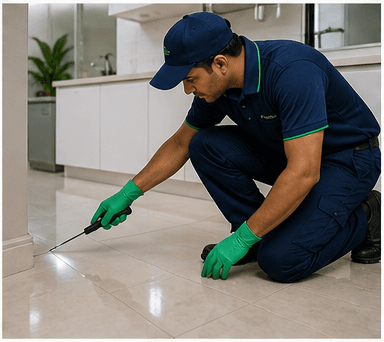
The fumigation plan is coordinated around containment, signage, exclusion, timing, and site-specific safety controls.
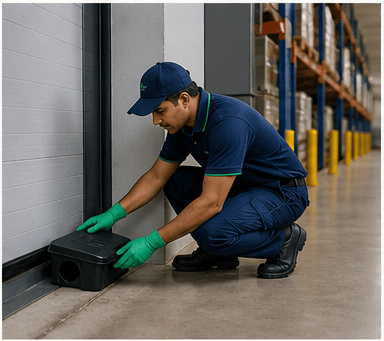
Post-treatment aeration, clearance, and activity review help confirm readiness for return to service.
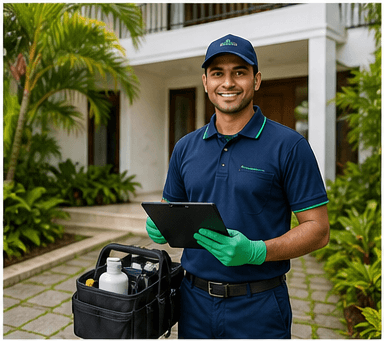
Storage hygiene, stock rotation, proofing, and monitoring are strengthened to reduce repeat infestation risk.
Methods Used
The method is matched to the stock profile, enclosure suitability, and the operational controls required for safe treatment.
We verify whether the stock or structure can be safely contained and treated as required.
Commercial and logistics clients can request service records suited to operational review and compliance needs.
Follow-up checks ensure any surviving or newly introduced pest activity is identified quickly.
Safety & Eco Measures
Not every infestation requires fumigation; site suitability is reviewed carefully before it is recommended.
Useful for warehouses, distribution, grain-linked handling, export support, and enclosed treatment scenarios.
FAQs
No. Fumigation is specialized and only recommended when the infestation, enclosure type, and operational needs justify it. An assessment is always required first.
Related Services
Rats and mice damage wiring, contaminate surfaces, and create real hygiene risk in kitchens, ceilings, and storage areas. Identifying how they are entering is as important as removing the ones already inside.
Disinfection supports hygiene protocols in shared environments such as schools, clinics, offices, hotels, and food facilities. Scheduled service uses appropriate methods and products planned around occupancy.
When multiple pest types appear across a property, a recurring maintenance program is more effective than repeated reactive callouts. The first visit shapes the schedule and coverage areas.
Speak to the team by phone, book the right next step, or share the issue through the contact form. We will review the details and guide you toward the right service plan.